
Sparkpick
I set out to sell sustainable fashion to people who wanted to save the planet. It took me four years to learn my real customer wanted something else: to dress like nobody else.
-
In 2020 I watched The True Cost and it changed my life. I'd already quit fast fashion — and my overconsumption had simply moved to the thrift store. I started Sparkpick that April as the fix for my own problem: fewer, better pieces, actually styled, from brands you could trust.
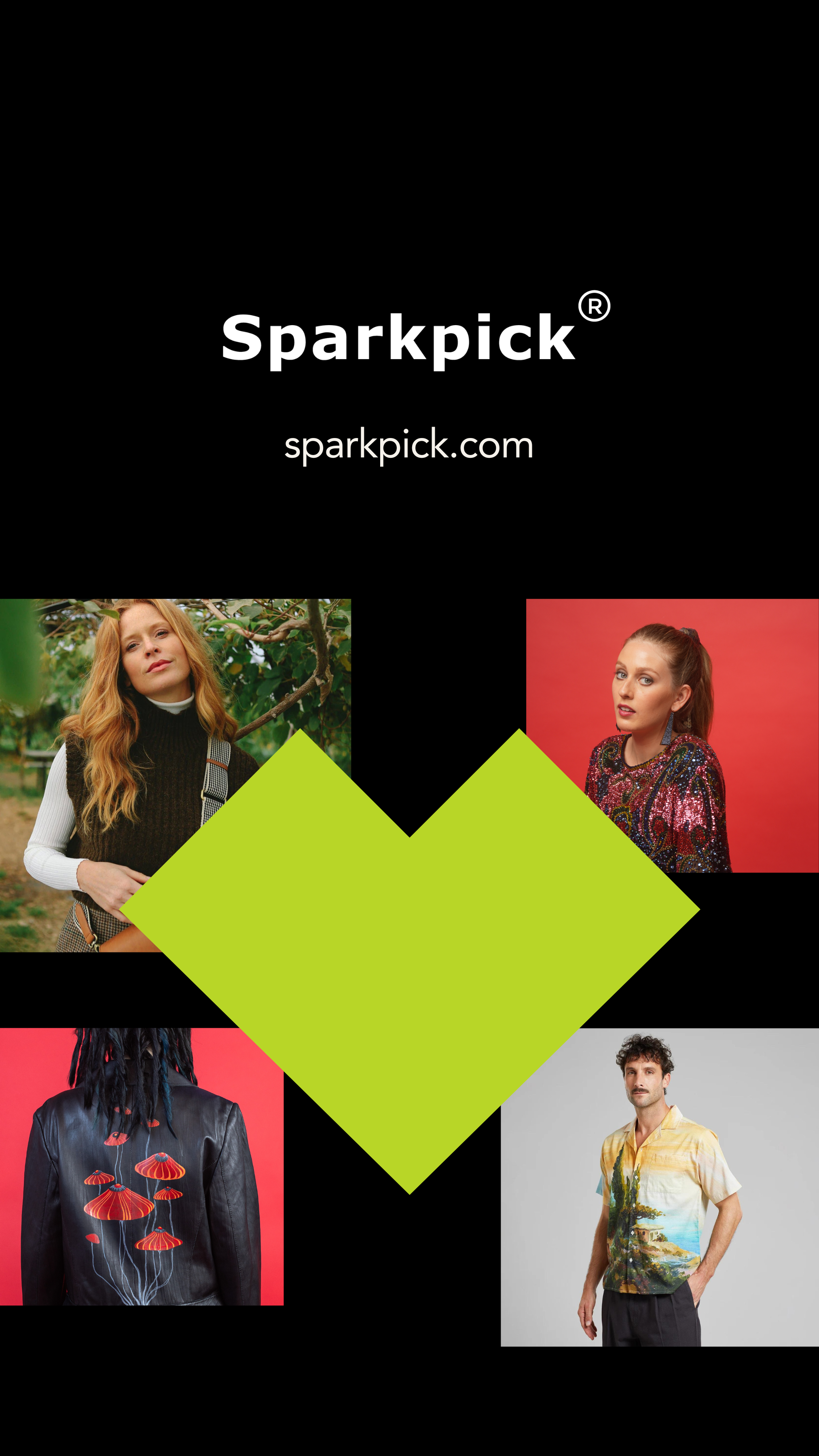
Six years and three versions of the site later, it's a discovery hub for vintage, upcycled and one-of-a-kind fashion, for creative people who want to look like themselves. We still care about eco fashion. We just stopped leading with it. This page is the story of finding the right customer — and rebuilding the brand around her.
-
Founder, creative director, product designer. Research, brand strategy, identity, UX, curation and styling, content and the weekly newsletter. The 2026 strategy and redesign — worked out with Claude, designed in the browser as a single HTML file, twelve versions deep. Built on WordPress.
-
Six years and three versions of one site. A 2K+ piece edit, every piece curated and styled by hand. 5.0★ on every sale across Poshmark, Etsy and eBay. Around 60% of what we feature still comes from eco brands vetted on Good On You and from makers on Etsy. 8,500+ people follow @sparkpick on Instagram, and how many read the weekly newsletter.
The Challenge
Caring about the planet and caring about eco fashion turned out to be two different things.
Sustainable fashion is a niche built on the hardest motivation there is to design for: doing something for the planet, with no reward you can see or wear. In our 2020 survey only 11% of women could say what sustainable fashion was, and most of those named brands that were greenwashing.
The market reports said the category was growing. The people in front of me said something else. Sparkpick's real challenge was never the website. It was finding who this was for.
The Brand Pillars
The mark
I drew the symbol from four things: a heart for the planet, a hanger for fashion, a leaf still growing, and a crown for whoever is wearing it. It runs in black or white only. Never recoloured, never redrawn.
The look
Three colours do almost all the work. Sparkpick Canvas is the ground, Punk Black is the ink, and Acid Lime is the only signal — under a tenth of any screen. Avenir does everything else. The signature move: a headline that's half white, half lime italic.
The voice
A stylist friend who already did the scouring. Lead with the era, the fabric, the story — never with a sustainability lecture. The Spark, our punk green teddy with a lime faux-hawk and a red cape, carries the same idea: joy, rebellion, and loving the planet without lecturing about it.
Part 1 — Finding the customer, 2020–25
Decision 01 — The first persona: design for the person who wants to save the planet.
Overview
We researched as well as a small team could: market reports, a survey of women aged 24–50 across four countries, an interview every week for months. Out of it came a persona who wanted to save the planet and wear unique clothing. The first Sparkpick was built for her: lookbooks of vetted eco brands, style guides, long educational posts.
Version 2.0 fixed what testing showed — a “How we pick products” page for trust, real faces instead of illustrations, shorter posts. In 2022 we rebuilt it again as a styling platform, with a new design system. The site got better. The market never clicked.
Tradeoff
That persona was someone like me, and there weren't many of us. People who were serious about the planet weren't especially interested in eco fashion. I had polished the product for a customer who didn't exist in numbers.
Decision 02 — The customer pivot: follow the buyers, not the mission.
Overview
Finding the market took three to four years. Along the way we started selling on Poshmark, and our curation shifted to unique pre-loved, upcycled and vintage pieces. That is where the real customer showed up. She wasn't shopping for eco fashion; she was shopping for self-expression. Like me, she loved colour and the psychology of colour, thrifting, mixing and matching, upcycling.
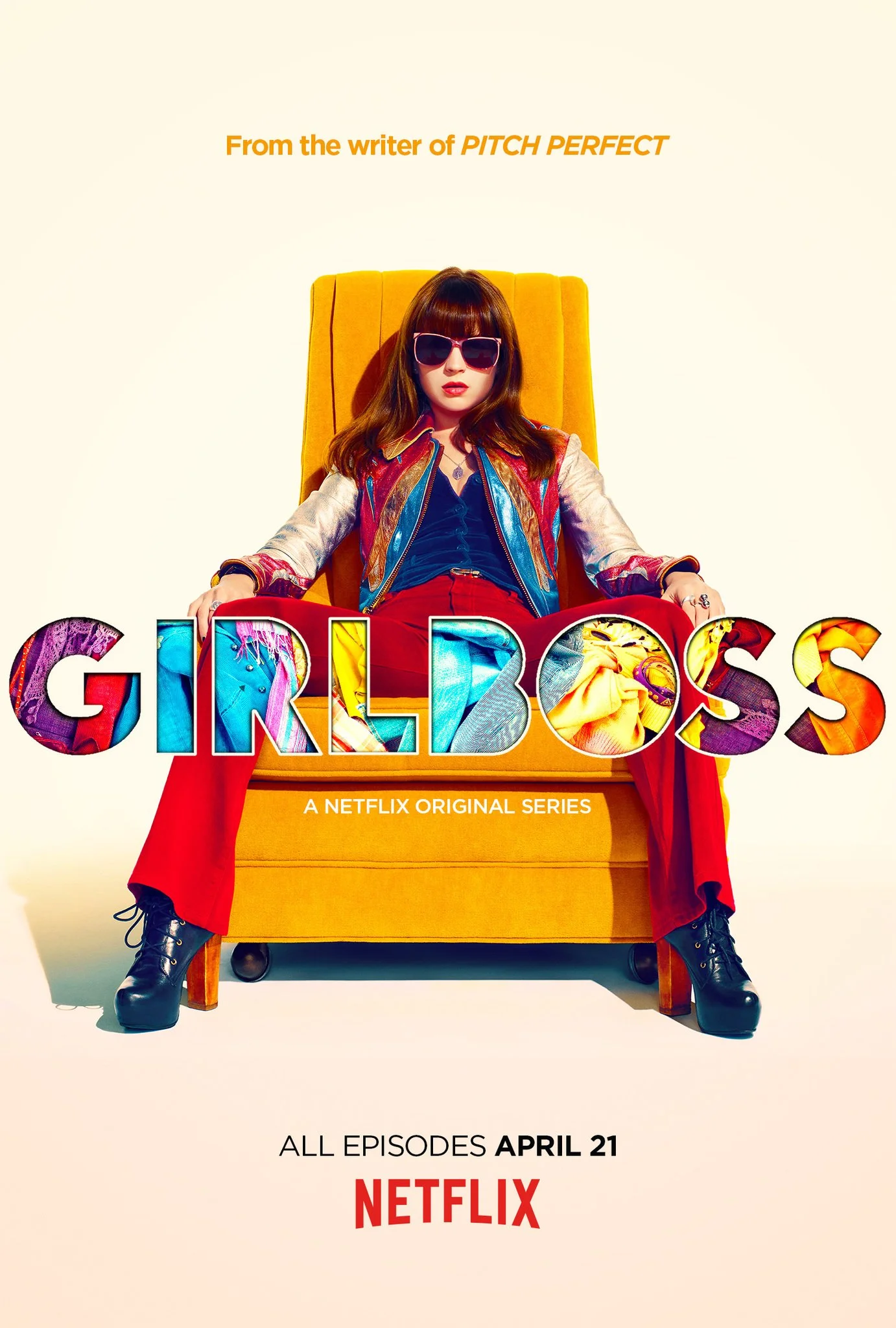
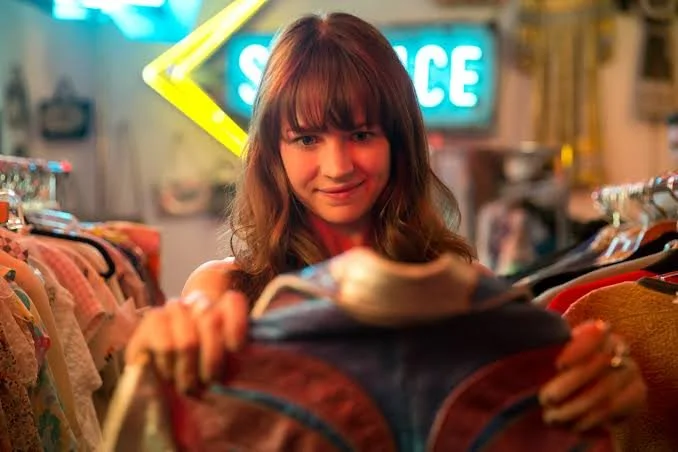
These were creative people — and I realised I had spent years studying the wrong market. In 2025 I watched Girlboss, the series about Nasty Gal, and decided to double down on this audience: vintage and one-of-a-kind fashion. I rewrote the persona as one person with one line — what the clothes must do: be the only one in the room, carry a story she can tell, and still work on a Tuesday.
Tradeoff
Sustainability stopped being the headline. It's still how we source — most of what we feature is pre-loved or from vetted eco brands — but the promise on the front door is now about you, not the planet.
Girlboss made me go all in on vintage.
Part 2 — Rebuilding it with Claude, 2026
Decision 03 — The strategy: sell our own curation.
Overview
When Claude Cowork came out I spent a couple of weeks talking the whole business through with it — the traffic, the stores, what was earning and what wasn't. The advice was blunt and I took it: a business has to make money, so stop sending readers to other people's shops and put our own picks at the centre of the site.
We wrote an SEO strategy together around three content pillars — Discover, Style and Know — each with a job and its own search territory, and a weekly newsletter to carry it. Eco brands didn't go anywhere: around 60% of what we curate still comes from brands rated on Good On You and from makers on Etsy. They're just no longer the whole pitch.
Tradeoff
Our own pieces are one of one. Every item we feature can sell the day it's published, so the content has to be worth reading after the piece is gone.
Decision 04 — The website: from eco blog to discovery hub, designed in the browser.
Overview
Then I redesigned the site with Claude as a single HTML file — every page inline, no framework, twelve versions — so each decision was tested in a real browser the hour it was made. Every choice serves the same shift: more self-expression, less eco fashion.
The home page opens on a black canvas with one sentence, “Dress like nobody else.”, over a wall of our own looks. One signal colour, Acid Lime, marks every action; Avenir does everything else. Navigation came down to three things — Look Boards, Style Guide, Shop Picks — and the site links to our Poshmark and shows our 5.0★ reviews, because a stranger's rating builds trust no copy of mine could. Life coaching is still here, but it moved to the footer.
Tradeoff
Coaching is the work I'm certified in, and I moved it out of sight. A site that tries to sell styling, coaching and clothes on one screen sells none of them. Focus cost me the front door to a service I love.
Take a walk through Sparkpick.
The Result
Sparkpick finally looks like what it is, and speaks to the person it's actually for.
But the real result isn't a number. It is such a joy to build a brand on your own, from scratch — your baby from the very beginning. I will always remember my first five-star review, the customer who wrote to say they loved a curation on Sparkpick, and the one who told me a book we recommended changed their life.
What this project led to
Sparkpick taught me to curate. Then I wanted to make. In 2022 it led to SPARK + REBEL — my own fashion line: one-of-one streetwear, hand-painted leather, modular pieces, and eventually a wardrobe archive for the screen.
The lesson I learned the slow way here — watch who actually buys, not who you imagined — I got to use much faster there.